
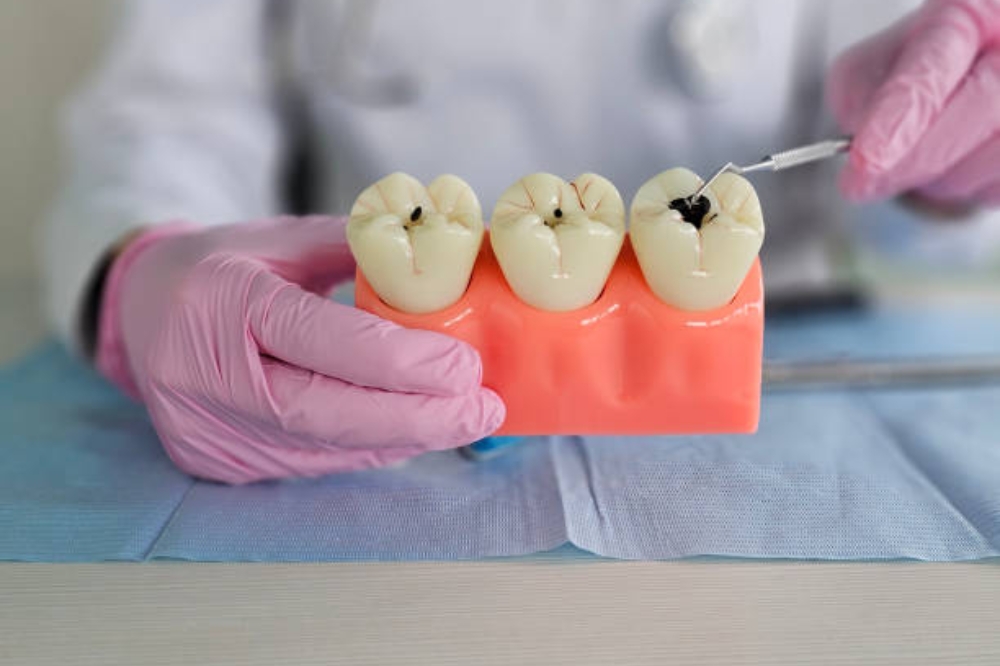
Strong teeth help you chew comfortably and keep your smile healthy. Cavities are common but treatable. Many patients who need dental fillings in Orlando want to understand what the process involves and which material is best for their teeth.
If you notice tooth sensitivity or pain, visiting a dental office in Orlando for a dental exam can help catch small cavities before they become larger problems.
What Are Dental Fillings and Why Are They Needed?
Dental fillings are materials used to repair areas of a tooth affected by decay. When plaque builds up on teeth, bacteria produce acids that weaken enamel. Over time, this creates small holes called cavities.
If left untreated, decay can spread deeper into the tooth. A filling removes the damaged portion of the tooth and seals the space, protecting the tooth from further harm.
Common signs you may need a filling include:
- Tooth sensitivity to hot or cold.
- Pain when chewing.
- Visible dark spots or holes.
- Food is getting stuck in certain areas.
Early treatment often means a less invasive and more straightforward procedure.
Types of Dental Filling Materials
There are different materials used for fillings. Each has its advantages, depending on the tooth’s location and your personal preferences.
Composite Fillings
Composite fillings are tooth colored and blend with natural teeth. They are often used for front teeth or visible areas. They bond directly to the tooth structure.
Amalgam Fillings
Amalgam fillings are silver colored and made from a mixture of metals. They are durable and sturdy. They’re typically put in the back teeth, where more chewing pressure occurs.
Ceramic Fillings
Ceramic or porcelain fillings are durable and stain-resistant. They offer a natural appearance and are commonly chosen by patients seeking a more aesthetic option.
Gold Fillings
Gold fillings are very durable but less common today. They are usually more expensive and require multiple visits.
When searching for dental fillings near you, it is helpful to discuss these options with your provider to choose the right material.
What Happens During the Filling Procedure?
Getting a filling is a routine procedure. Most appointments are completed in one visit.
- First, the area around the tooth is numbed to keep you comfortable.
- Next, the dentist removes the decayed portion of the tooth.
- The area is cleaned to remove bacteria and debris.
- The filling material is placed and shaped to match your bite.
- Finally, the filling is polished for a smooth finish.
The process is straightforward, and most patients return to normal activities the same day.
How Do Dentists Decide Which Filling to Suggest?
The choice of material depends on several factors.
- Location of the cavity.
- Size of the decay.
- Your bite pressure.
- Your preference for appearance.
- Budget considerations.
A Dentist near you will examine the tooth and explain which material offers the best balance of strength and appearance for your situation.
Are Tooth Colored Fillings Durable?
Many patients prefer composite fillings because they match the color of natural teeth. Modern materials are strong and suitable for many areas of the mouth.
For larger cavities in back teeth, stronger materials may sometimes be recommended. The goal is always to safeguard the tooth and ensuring long-term functionality.
How Long Do Fillings Last?
The longevity of filling depends on the material used and oral hygiene habits.
- Composite fillings may last several years with proper care.
- Amalgam fillings often last longer due to their strength.
- Ceramic fillings are also durable and stain-resistant.
Regular checkups help monitor the condition of existing fillings.
How to Care for a Filled Tooth
After getting dental fillings, caring for your teeth remains essential.
- Brush twice daily.
- Floss once a day.
- Avoid biting complex objects.
- Schedule regular dental visits.
These habits help extend the life of your fillings and prevent new cavities.
When Should You Replace a Filling?
Fillings do not last forever. Over time, they can wear out or loosen.
You may need a replacement if you notice:
- Cracks or sharp edges on the tooth.
- More sensitivity to hot or cold.
- Pain when you bite down.
- A small gap between the filling and the tooth.
Regular dental checkups help catch these problems early, before they become bigger issues.
Protect Your Teeth with the Right Care
Cavities are common and easy to treat when caught early. We at CG Dentist Orlando provide clear explanations and personalized treatment options to patients. If you suspect you may have a cavity or would like to maintain healthy teeth, schedule your visit today and keep your smile strong for years to come.
📍 Find us easily on the Google map and plan your visit today!
Frequently Asked Questions
Are dental fillings painful?
The area is numbed before the procedure. Most patients feel very mild discomfort during treatment.
How long does a filling appointment take?
Most fillings are completed in less than an hour, depending on the size of the cavity.
Can a filling fall out?
Yes, fillings can loosen over time. If this happens, contact your dentist for repair.
How do I know if I need dental fillings?
If you experience sensitivity, pain, or notice visible damage, an exam can confirm whether a filling is needed.
